Introduction
Safety is not optional in Qatar’s construction and industrial sectors — it is a fundamental operational requirement. With strict regulatory frameworks and increasing project complexity, companies must prioritize workforce safety and compliance at every stage.
1️⃣ Understanding Qatar’s HSE Expectations
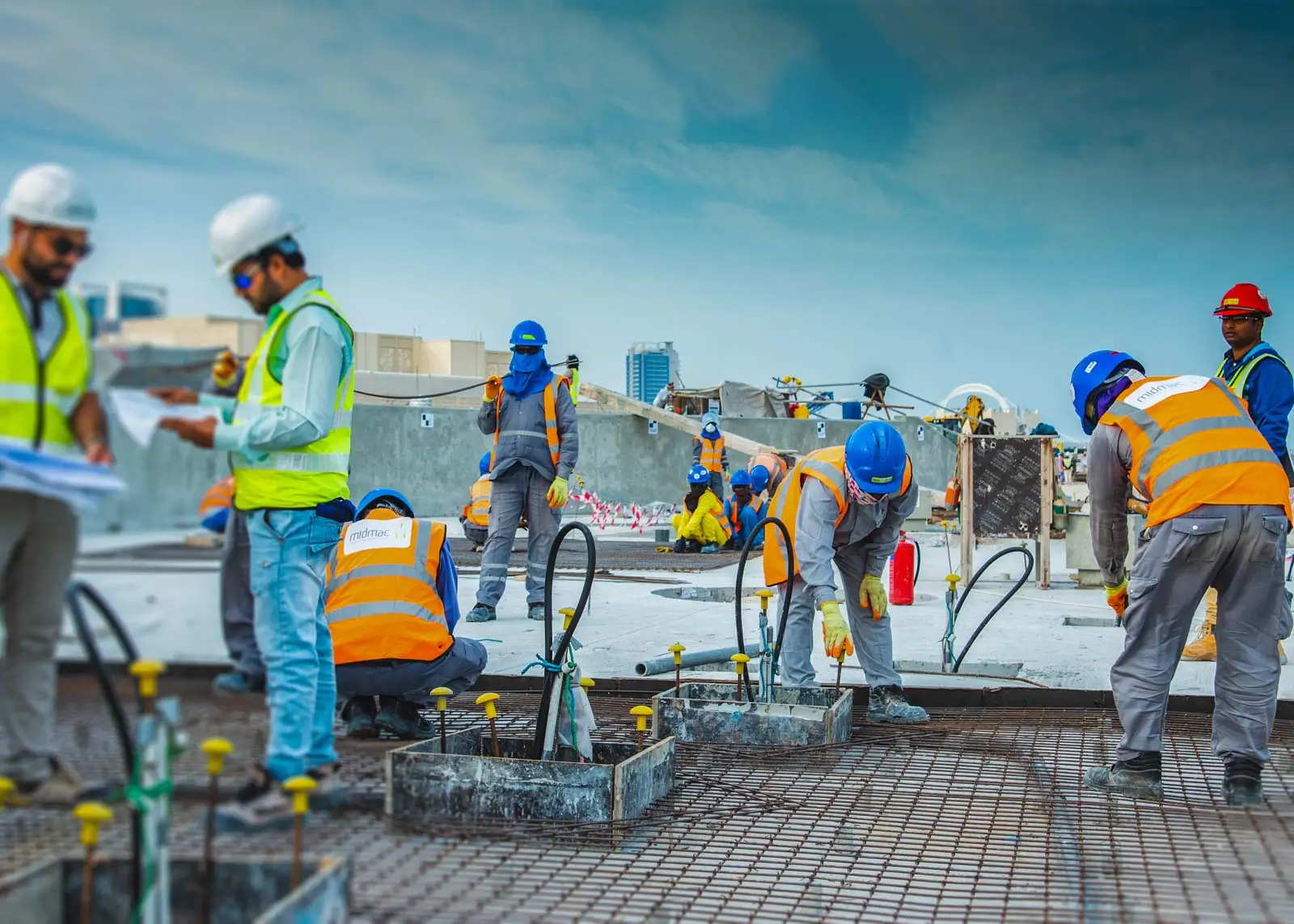
Projects across Doha, Lusail, Ras Laffan, and Mesaieed operate under rigorous safety regulations. Companies must ensure:
- Proper PPE usage
- Certified personnel
- Risk assessments
- Site safety training
Failure to meet these standards can result in fines and project delays.
2️⃣ Role of Structured Workforce Management
A disciplined manpower provider plays a critical role in maintaining safety standards through:
- Pre-deployment safety training
- Certification verification
- On-site supervision
- Compliance documentation
Structured supervision reduces accidents and operational risks.
3️⃣ ISO-Certified Systems Strengthen Safety
Companies operating under ISO-certified management systems follow internationally recognized safety and quality procedures. These systems ensure:
- Risk mitigation practices
- Quality assurance controls
- Continuous monitoring
- Corrective action processes
This structured framework improves project reliability.
4️⃣ Long-Term Benefits of a Safety-First Approach
Prioritizing safety leads to:
- Reduced workplace incidents
- Lower insurance and liability risks
- Improved workforce morale
- Stronger client trust
Safety compliance ultimately protects both human resources and project investments.
Conclusion
In Qatar’s competitive industrial environment, safety compliance is a strategic advantage. Companies that invest in structured manpower management and disciplined supervision reduce risk while enhancing performance.
AL BAQI Decor & Services remains committed to safety-led workforce deployment and regulatory compliance across all sectors.